Helping a Child with Sensory Processing Disorder Tolerate Tooth Brushing
Posted on 6/21/2025 by NC Pediatric Dentistry |
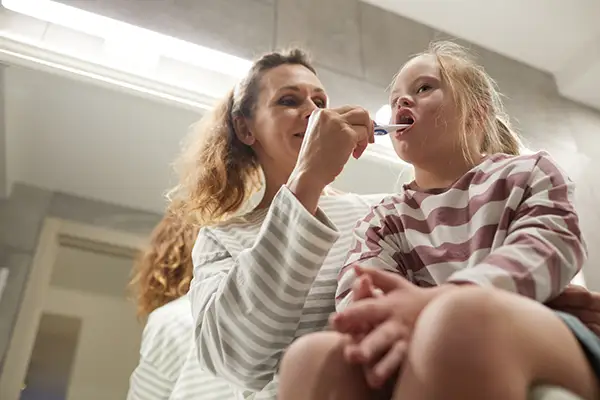 For children with sensory processing disorder (SPD), tooth brushing can feel overwhelming, and the struggle is very real for the whole family. The textures, tastes, vibrations, and pressure involved in brushing can trigger strong reactions in kids whose nervous systems process sensory input differently. If brushing time has become a daily battle in your North Carolina household, know that you’re not failing as a parent. This is a common challenge, and there are practical strategies that can help. For children with sensory processing disorder (SPD), tooth brushing can feel overwhelming, and the struggle is very real for the whole family. The textures, tastes, vibrations, and pressure involved in brushing can trigger strong reactions in kids whose nervous systems process sensory input differently. If brushing time has become a daily battle in your North Carolina household, know that you’re not failing as a parent. This is a common challenge, and there are practical strategies that can help.
In this post, we’ll explore why tooth brushing is especially difficult for children with SPD and share techniques that families and special needs dental care providers have found effective. The goal isn’t perfection; it’s progress.
On This Page
Why Brushing Is So Hard for Kids with SPD
Sensory processing disorder affects how the brain interprets signals from the senses. Children with SPD may be hypersensitive (over-responsive) to touch, taste, or texture, or they may be hyposensitive (under-responsive) and have difficulty registering sensation. Both patterns can make oral care challenging, just in different ways.
For a hypersensitive child, the bristles of a toothbrush can feel sharp or scratchy. The taste and foam of toothpaste can trigger gagging. Even the sensation of someone else’s hand near their mouth may be enough to cause distress. These aren’t behavioral choices; the child’s nervous system is genuinely sending alarm signals.
Hyposensitive children face a different challenge. They may not register the feeling of food stuck in their teeth or understand the pressure needed for effective brushing. They might chew on the brush instead of using it correctly, or they may resist brushing because the sensation doesn’t feel “enough” to make sense to their brain.
Understanding which sensory pattern your child leans toward is the first step. It helps you choose the right tools and build a routine that works with their nervous system instead of against it.
Choosing the Right Brushing Tools
The tools you use can make a significant difference. Small adjustments to the toothbrush, toothpaste, and accessories can turn brushing from a sensory overload into something more manageable.
For hypersensitive children, a toothbrush with ultra-soft, silicone bristles often feels less intrusive than standard nylon bristles. A smaller brush head gives you more control and reduces the amount of stimulation inside the mouth at once. Some children do better with a finger brush (a silicone cap that fits over your finger) because it offers a more familiar type of touch.
Toothpaste can be another trigger. Strong mint flavors are overwhelming for many sensory-sensitive kids. Look for mild or unflavored options, or try a training toothpaste designed for younger children that has a gentler taste. Some kids prefer brushing with just water at first, and that’s okay as a starting point.
Electric toothbrushes are a mixed bag. The vibration can be calming and organizing for some sensory seekers, but it may be way too much for a child who’s over-responsive to input. Let your child hold the brush (turned off) before trying it on their teeth so they can get used to the sensation gradually. For more brushing tips, visit our tips page.
Building a Sensory-Friendly Brushing Routine
Predictability is powerful for children with SPD. When brushing happens at the same time, in the same place, with the same steps every day, the child’s nervous system has less “surprise” to process. That predictability alone can reduce anxiety and resistance.
Try creating a visual schedule or a simple checklist your child can follow: pick up toothbrush, wet bristles, add toothpaste, brush top teeth, brush bottom teeth, rinse, done. Some families use a timer or a short song to mark the brushing period so the child knows exactly when it will end. Knowing there’s a clear endpoint can be incredibly reassuring.
Positioning matters too. Some children feel more secure sitting down rather than standing at the sink. Others do better lying back with their head in a parent’s lap, which also gives you a better view of their teeth. Experiment with positions to find what feels safest for your child.
If your child is especially resistant, consider breaking brushing into shorter sessions throughout the day rather than pushing for a full two-minute session twice daily. Ten seconds of cooperative brushing is better than two minutes of a tearful struggle.
Gradual Desensitization Strategies
Desensitization is the process of slowly introducing sensory input so the nervous system can learn to tolerate it. For oral care, this might mean starting well outside the mouth and working your way in over days or weeks.
You can begin by letting your child explore the toothbrush with their hands. Let them touch the bristles, hold the brush, and even chew on it if they want. Next, try gently touching the brush to their lips, then their front teeth, before moving to the inside of the mouth. Each step should happen at the child’s pace, not yours.
Oral massage before brushing can also help. Using a clean finger or a soft cloth, gently press on your child’s cheeks, lips, and gums for a few seconds before introducing the toothbrush. This “wakes up” the sensory receptors and can make the brush feel less jarring.
Some occupational therapists recommend a technique called the Wilbarger Protocol (also known as brushing therapy, not to be confused with tooth brushing) that involves deep-pressure input before oral care. If your child works with an OT, ask whether this approach might support your brushing routine at home. Our parent resources page also offers helpful information for navigating your child’s dental care.
Getting Support from Your Pediatric Dentist
You don’t have to figure this out alone. The team at NC Pediatric Dentistry has experience working with children who have sensory processing challenges, and we tailor our approach to each child’s needs. Whether it’s adjusting the pace of a cleaning, using specific tools, or simply giving your child extra time to acclimate, we’re here to make dental visits as comfortable as possible. Visit our locations page to find an office near you across North Carolina and learn more about our approach.
Frequently Asked Questions
Is it okay if my child with SPD only brushes for a few seconds?
Yes, especially in the beginning. A few seconds of cooperative brushing is far better than a forced session that creates lasting negative associations. You can gradually build toward longer brushing as your child becomes more comfortable.
Should I use an electric or manual toothbrush for a sensory-sensitive child?
It depends on your child’s sensory profile. Some children find the vibration of an electric toothbrush calming, while others find it overwhelming. Start with the brush turned off and let your child explore it before deciding.
What toothpaste works best for kids with sensory issues?
Unflavored or mildly flavored toothpaste is usually the best starting point. Avoid strong mint flavors. Some families start with water only and add toothpaste gradually once the brushing routine is established.
Can a pediatric dentist help with my child’s brushing difficulties?
Absolutely. A pediatric dentist experienced with special needs care can recommend specific tools, techniques, and strategies tailored to your child. They can also coordinate with your child’s occupational therapist for a team approach.
Will my child always have trouble with tooth brushing?
Many children with SPD become more tolerant of brushing over time as their nervous systems mature and as desensitization techniques take effect. Consistency and patience are key. Progress may be slow, but it does happen.
|
|