Why Your Child's Bad Breath Might Signal a Health Problem Beyond Poor Brushing
Posted on 9/8/2024 by NC Pediatric Dentistry |
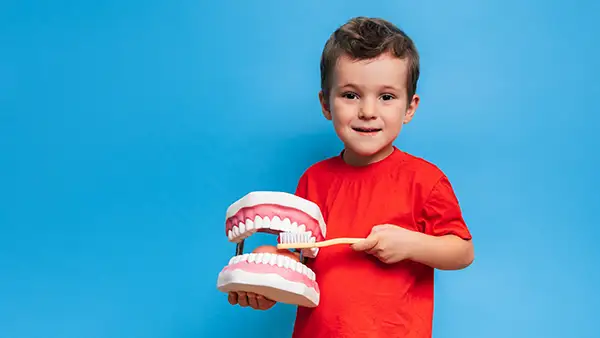 Persistent bad breath in children often has causes that go well beyond brushing habits, and understanding those causes can help you address the problem at its source. If your child brushes and flosses regularly but still has noticeably unpleasant breath, you’re not alone. Parents across North Carolina bring this concern to our team more often than you might think, and the answer usually isn’t as simple as “brush more.” Persistent bad breath in children often has causes that go well beyond brushing habits, and understanding those causes can help you address the problem at its source. If your child brushes and flosses regularly but still has noticeably unpleasant breath, you’re not alone. Parents across North Carolina bring this concern to our team more often than you might think, and the answer usually isn’t as simple as “brush more.”
Halitosis (the clinical term for bad breath) in kids can stem from sinus issues, mouth breathing, dietary factors, and occasionally underlying health conditions. This guide walks through the most common culprits so you know what to watch for and when to talk to your child’s pediatric dentist.
On This Page
Mouth Breathing and Dry Mouth
This is one of the most common and most overlooked causes of bad breath in children. Kids who breathe through their mouths, whether because of allergies, enlarged adenoids, or just habit, dry out their oral tissues. Saliva plays a critical role in washing away food particles and bacteria throughout the day. When saliva production drops, bacteria thrive and produce sulfur compounds that cause that characteristic stale smell.
You might notice the problem is worse in the morning. That’s because mouth breathing during sleep dries the mouth out for hours at a time. If your child regularly wakes up with particularly strong breath, chronic mouth breathing may be the reason.
Addressing the root cause of mouth breathing, whether it’s allergies, nasal congestion, or enlarged tonsils and adenoids, often resolves the bad breath on its own. Your pediatrician and dentist can work together to identify what’s keeping your child from breathing comfortably through their nose.
Sinus and Throat Issues
Post-nasal drip is a surprisingly frequent cause of halitosis in children. When mucus drips down the back of the throat (often from sinus infections, seasonal allergies, or chronic congestion), it creates a breeding ground for bacteria. The result is a persistent odor that no amount of brushing will fix, because the source is in the throat, not the mouth.
Tonsil stones are another common culprit, especially in school-age children. These are small, calcified deposits that form in the crevices of the tonsils. They’re made up of trapped food particles, bacteria, and dead cells, and they can produce a strong, noticeable odor. Kids with larger or more textured tonsils are more prone to developing them.
Chronic or recurring sinus infections can also contribute. If your child frequently has a stuffy nose, facial pressure, and bad breath together, it’s worth bringing up with their pediatrician. Treating the sinus issue usually takes care of the breath problem too.
Dental Causes Worth Ruling Out
While this post focuses on causes beyond brushing, it’s still important to rule out dental sources first. Untreated cavities harbor bacteria that produce odor. So do gum infections, even early-stage inflammation that might not be visible without a dental exam. A stuck piece of food between teeth that regular brushing missed can also be the surprisingly simple answer.
Regular dental cleanings and exams catch these issues early. Our team checks for all potential dental causes during routine visits, which is one more reason consistent check-ups matter.
An older child with braces or orthodontic appliances faces additional challenges. Food gets trapped easily around brackets and wires, and if cleaning isn’t thorough, bacterial buildup causes odor. Extra attention to brushing technique and possibly adding a water flosser to the routine can help.
Other Health Connections
In less common cases, persistent bad breath can point to a condition outside the mouth entirely. Gastroesophageal reflux (GERD) can cause stomach acids to travel up the esophagus, producing an acidic or sour odor on the breath. Children with GERD may also complain of a sour taste, frequent burping, or stomach discomfort after eating.
Certain medications can cause dry mouth as a side effect, which circles back to the saliva issue discussed earlier. If your child started a new medication and you noticed breath changes around the same time, mention it to their doctor.
Rarely, metabolic conditions can affect breath odor. A sweet or fruity smell, for instance, can be associated with certain metabolic issues. These situations are uncommon, but they’re worth mentioning because persistent, unusual-smelling breath that doesn’t respond to dental or ENT treatment warrants further evaluation.
When to See Your Pediatric Dentist
If your child’s bad breath persists despite good oral hygiene, or if it’s accompanied by other symptoms like mouth breathing, snoring, frequent congestion, or stomach issues, schedule a visit. A dental exam can quickly rule out oral causes, and your preventive care team can point you toward the right next steps if the source turns out to be medical.
NC Pediatric Dentistry is here to help families throughout North Carolina get to the bottom of their child’s dental concerns. Visit our locations page to find an office near you, or learn more about our full range of pediatric dental services.
Frequently Asked Questions
Is bad breath normal in toddlers?
Occasional morning breath is normal for children of all ages. However, persistent bad breath throughout the day, especially in a toddler with good brushing habits, may indicate mouth breathing, congestion, or another underlying issue worth discussing with your pediatric dentist.
Can allergies cause bad breath in kids?
Yes. Allergies commonly cause nasal congestion and post-nasal drip, both of which contribute to bad breath. Treating the allergies with appropriate medication and managing congestion often improves the breath as well.
Should I use mouthwash for my child’s bad breath?
Mouthwash is generally not recommended for children under six because of the swallowing risk. For older children, an alcohol-free mouthwash can help temporarily, but it won’t solve the underlying cause. Identifying and treating the source of the odor is more effective than masking it.
How can I tell if my child has tonsil stones?
Tonsil stones sometimes appear as small, whitish or yellowish lumps visible on the tonsils. Your child might also complain of a feeling that something is stuck in their throat, along with persistent bad breath. A pediatrician or ENT specialist can evaluate further if you suspect tonsil stones.
Could my child’s bad breath be a sign of a cavity?
It’s possible. Cavities trap bacteria and food debris, which can produce noticeable odor. Regular dental cleanings and exams help catch cavities early before they have a chance to cause symptoms like bad breath.
|
|