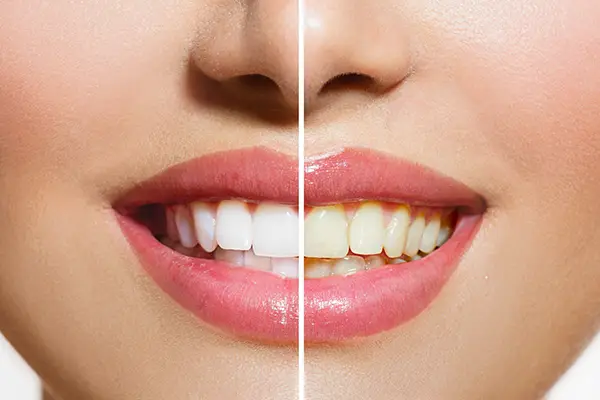
When Should I Allow My Kid To Whiten Their Teeth
Posted on 2/2/2026 by NC Pediatric Dentisty |
Want your child to have a bright, confident smile? Many kids express interest in teeth whitening, but it's crucial to understand the right timing and approach. As a pediatric dentist, I frequently get questions about this topic, and I want to share some helpful insights to guide you.
Understanding Tooth Development
Before even considering teeth whitening, we need to consider tooth development. Kids' teeth are still maturing. The enamel, the outer protective layer of the teeth, is thinner and more porous than in adults. This makes their teeth more susceptible to sensitivity and damage from whitening products.
Generally, professional whitening is not recommended until ALL permanent teeth have erupted. This typically happens around age 12 or 13, but it can vary. It is important to schedule a checkup with your dentist before starting any whitening treatment. They can assess tooth maturity and identify any underlying issues like cavities or gum disease, which need to be addressed first.
Reasons for Discoloration
It's also important to understand why teeth might be discolored in the first place. Common causes in children and teens include:
| • |
Poor oral hygiene: Inadequate brushing and flossing can lead to plaque and stain buildup. |
| • |
Diet: Consuming sugary drinks, fruit juices, and darkly pigmented foods can contribute to staining. |
| • |
Certain medications: Some medications, like tetracycline antibiotics (although rarely prescribed to children now), can cause intrinsic staining, which is more difficult to remove. |
| • |
Fluorosis: Excessive fluoride intake during tooth development can cause white spots or discoloration. |
| • |
Trauma: An injury to a tooth can sometimes cause discoloration. |
Understanding the cause of the discoloration is important because some types of stains respond better to teeth whitening than others. Some stains may require alternative treatments, such as microabrasion, ICON resin infiltration, or even veneers in severe cases.
Safe Whitening Options
If your dentist approves teeth whitening, they can recommend safe and effective options. Over-the-counter whitening products, like whitening strips or toothpastes, are generally not recommended for children due to their potential for misuse and the higher risk of sensitivity.
Professional teeth whitening, supervised by a dentist, is the safest approach. The dentist can control the concentration of the whitening agent and monitor the process to minimize sensitivity. They can also provide custom trays that fit the child's teeth properly, preventing the whitening gel from irritating the gums.
Alternatives to Whitening
Before considering teeth whitening, focus on establishing a strong oral hygiene routine. This includes:
| • |
Brushing twice a day with fluoride toothpaste |
| • |
Flossing daily |
| • |
Limiting sugary drinks and snacks |
| • |
Regular dental checkups |
Often, improving oral hygiene habits and having a professional cleaning can significantly improve the appearance of teeth without needing teeth whitening.
The Importance of Professional Guidance
Ultimately, the decision of when to allow your child to whiten their teeth should be made in consultation with a dentist. They can assess your child's individual needs, recommend the safest and most effective approach, and monitor the process to ensure optimal results and minimize any potential risks.
|
|