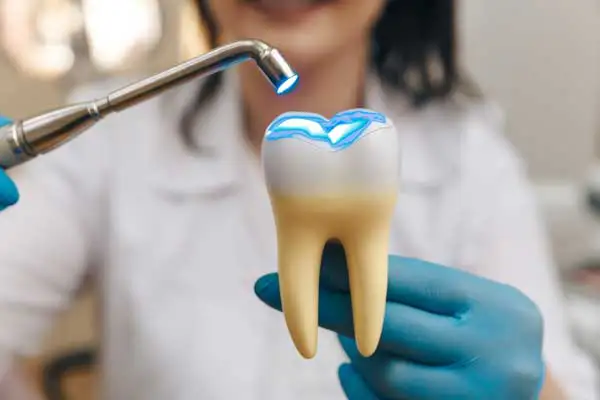
Filling Materials
Posted on 2/16/2026 by NC Pediatric Dentisty |
Hey everyone! Let's dive into something super important when it comes to keeping your smile bright and healthy: filling materials! Sometimes, even with the best brushing and flossing, tiny troublemakers called cavities can pop up. When that happens, we need to fix them, and that's where fillings come in. Think of them as little patches that repair those spots on your teeth. But what are these patches made of? Let's explore the different types of materials we use to fill teeth and keep them strong.
Amalgam Fillings
These fillings, often called "silver fillings," have been around for a long time. They're made from a mix of metals, including silver, mercury, tin, and copper. Amalgam fillings are known for being really strong and durable, meaning they can handle a lot of chewing pressure. They're also usually a more budget-friendly option. However, because of their silver color, they're not always the most natural-looking choice, especially for teeth that show when you smile. There's also been a lot of discussion about the mercury content, but the American Dental Association and other major health organizations have stated that amalgam fillings are safe for both adults and children.
Composite Fillings
Composite fillings are made from a tooth-colored resin, which is basically a type of plastic. One of the biggest advantages of composite fillings is that they can be closely matched to the color of your natural teeth, making them blend in seamlessly. This makes them a great option for front teeth or any area where you want a more natural look. Composite fillings are bonded directly to the tooth, which can help strengthen the tooth structure. They may not be quite as durable as amalgam fillings, especially for larger fillings in back teeth, but advances in composite materials are constantly improving their strength and longevity.
Glass Ionomer Fillings
Glass ionomer fillings are another tooth-colored option. They're made from a combination of glass and acrylic. One cool thing about glass ionomer fillings is that they release fluoride, which can help protect the tooth from future decay. They're often used for fillings in children's teeth, especially in areas that are hard to keep clean. Glass ionomer fillings aren't as strong as composite or amalgam, so they're typically used for smaller fillings or in areas that don't experience a lot of chewing force.
Choosing the Right Material
So, how do you decide which filling material is right for you or your child? Several factors come into play, including the size and location of the cavity, your budget, your aesthetic preferences, and any allergies or sensitivities you may have. Your dentist will carefully evaluate your specific situation and discuss the pros and cons of each material to help you make an informed decision.
Ultimately, the goal of any filling is to restore the tooth to its proper function, prevent further decay, and keep your smile healthy and happy. Don't hesitate to ask your dentist any questions you have about filling materials. They're the best resource for helping you choose the right option for your individual needs. Taking care of those little cavities is a big step in keeping your smile shining bright!
|
|