Does My Child Need a Night Guard for Teeth Grinding?
Posted on 6/1/2025 by NC Pediatric Dentistry |
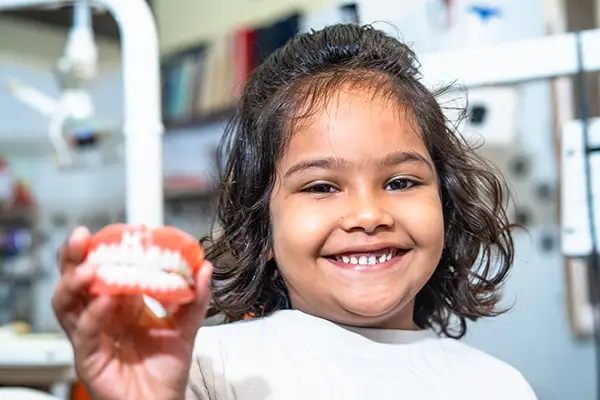 If you’ve noticed your child grinding or clenching their teeth at night, you’re not alone–and you’re right to pay attention. Teeth grinding, known clinically as bruxism, is surprisingly common in kids across North Carolina. While many children outgrow it, ongoing grinding can wear down enamel, cause jaw discomfort, and even lead to headaches. Understanding when a night guard might help is the first step toward protecting your child’s teeth. If you’ve noticed your child grinding or clenching their teeth at night, you’re not alone–and you’re right to pay attention. Teeth grinding, known clinically as bruxism, is surprisingly common in kids across North Carolina. While many children outgrow it, ongoing grinding can wear down enamel, cause jaw discomfort, and even lead to headaches. Understanding when a night guard might help is the first step toward protecting your child’s teeth.
In this post, we’ll walk through what causes bruxism in children, the warning signs to watch for, and how a pediatric dentist can determine whether a night guard is the right solution. Whether you’re hearing the grinding from the hallway or your child is waking up with a sore jaw, this guide is for you.
On This Page
What Is Bruxism in Children?
Bruxism is the habit of grinding, gnashing, or clenching the teeth. In children, it most often happens during sleep, though some kids also clench during the day when they’re stressed or concentrating. Studies suggest that roughly 15–33% of children grind their teeth at some point, with the highest rates seen in kids under age 6.
Several factors can contribute to bruxism in kids. Misaligned teeth or an uneven bite can cause the jaw to shift and grind during sleep. Stress and anxiety play a role too; a new school year, a change at home, or even an exciting event can ramp up nighttime clenching. Some children with hyperactivity or certain medications also experience bruxism more frequently. In many cases, though, there isn’t a single clear cause.
The good news is that most children who grind their baby teeth will stop on their own as their permanent teeth come in. But when grinding is persistent or causing visible damage, it’s time to talk with your child’s dentist.
Signs Your Child May Be Grinding Their Teeth
 Because bruxism usually happens during sleep, many parents don’t realize it’s going on until symptoms show up. Here are a few things to watch for: Because bruxism usually happens during sleep, many parents don’t realize it’s going on until symptoms show up. Here are a few things to watch for:
- Audible grinding sounds – If you can hear your child grinding from another room, the habit is likely producing significant force on their teeth.
- Worn or flattened tooth surfaces – Our team often spots this during routine preventive dental visits. The biting edges of the teeth may look flat or unusually smooth.
- Morning jaw soreness or headaches – Your child might complain about their jaw feeling tight when they wake up, or they may have frequent headaches that seem unrelated to illness.
- Tooth sensitivity – Grinding wears away enamel, which can make teeth more sensitive to hot and cold foods.
- Disrupted sleep – Some children wake themselves up with grinding or sleep restlessly because of the discomfort it causes.
If you’re noticing any of these signs, bring them up at your child’s next dental checkup. Even mild grinding is worth monitoring so it doesn’t progress.
How Night Guards Help Protect Teeth
A night guard is a custom-fitted oral appliance that your child wears over their teeth while they sleep. It creates a barrier between the upper and lower teeth so that grinding doesn’t cause direct tooth-on-tooth contact. This protects enamel from further wear, reduces jaw strain, and can help relieve the headaches and soreness that come with bruxism.
Custom night guards made by a pediatric dentist are shaped specifically to your child’s mouth. They’re more comfortable, more durable, and far more effective than generic store-bought options. Because children’s mouths are still growing, the fit matters; a guard that doesn’t sit properly can actually cause more problems than it solves.
It’s worth noting that night guards aren’t always the first recommendation for younger children who still have most of their baby teeth. Since baby teeth will eventually fall out and the bite will change, your dentist may prefer to monitor the situation first. For older children and teens with permanent teeth, though, a custom night guard can make a real difference.
When to See a Pediatric Dentist About Grinding
Not every case of teeth grinding needs treatment. Occasional, mild grinding in toddlers and preschoolers is quite normal and usually resolves on its own. But you should schedule a visit if your child’s grinding is frequent or loud, if you notice visible wear on their teeth, or if they’re complaining about jaw discomfort or headaches.
A pediatric dentist can evaluate the extent of any damage, check for bite alignment issues, and recommend the best course of action. In some cases, managing stress, adjusting sleep habits, or addressing allergies that cause mouth breathing may reduce grinding without the need for a night guard. If a guard is recommended, the process is straightforward: your child’s dentist takes an impression of their teeth, and the guard is fabricated to fit their mouth precisely.
Our team sees kids with bruxism regularly, and we know how to make the process comfortable. If your child has questions about wearing a night guard, we walk them through it so they feel confident.
You can also find answers to other common concerns on our Dental FAQs for Kids page.
Protecting Your Child’s Smile
Teeth grinding doesn’t have to cause lasting damage when it’s caught early. If you’re concerned about bruxism, the team at NC Pediatric Dentistry is here to help. We’ll take a close look at your child’s teeth, talk through what we’re seeing, and recommend the best path forward for their smile. Visit our locations page to find an office near you across North Carolina and request an appointment.
Frequently Asked Questions
At what age do children usually stop grinding their teeth?
Many children stop grinding by age 6 to 9, as their permanent teeth start coming in and their bite matures. However, some kids continue grinding into their teen years, which is when a night guard becomes more important.
Can stress cause teeth grinding in kids?
Yes. Stress and anxiety are common triggers for bruxism in children. Changes at school, family transitions, or even exciting events can lead to increased clenching and grinding during sleep.
Are store-bought night guards safe for children?
Store-bought guards are not recommended for children. They don’t fit properly and can interfere with jaw growth or tooth eruption. A custom guard from your pediatric dentist is always the safer option.
Will my child need a night guard forever?
Not necessarily. Many children outgrow bruxism as they mature. Your dentist will monitor the situation and let you know when the guard is no longer needed. As your child grows, the guard may need to be replaced to fit their changing mouth.
Does teeth grinding damage baby teeth?
It can. While baby teeth are temporary, severe grinding can wear them down enough to cause sensitivity or increase the risk of decay in weakened enamel. Your dentist will let you know if intervention is needed before those teeth fall out naturally.
|
|